
A micro grant for the work behind good design.
Introducing the Think Good micro grant
The Think Good micro grant is a $5,000 fund from Elton Group, created to support architects, designers, makers and students working on a sustainable concept within the built environment.
So often only the finished outcome is celebrated in design. This grant supports the thinking – the research, experimentation, prototyping and the unseen, rigorous work that makes responsible design possible. It’s an extension of our long-standing sponsorship of the AIDA Sustainability Advancement Award, and a way of recognising that real progress starts well before the reveal.
Because the best ideas begin with good thinking.
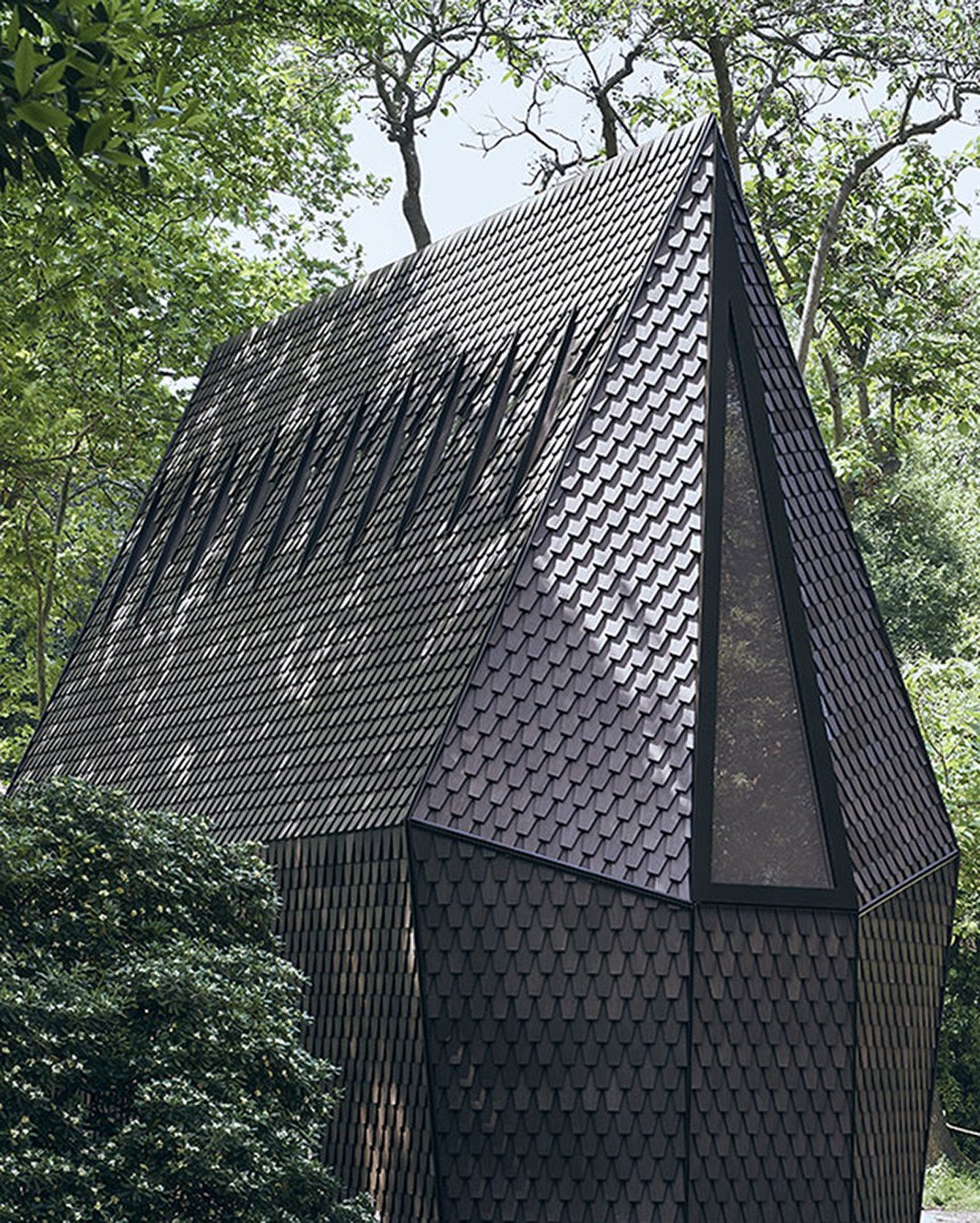
Asplund Pavilion by MAP Studio / Photo: Federico Cedrone

Important dates
Entries open: Wed 1 July
Closing: Fri 28 August
Winner announced: Wed 30 September
Meet the jury
![]() |
| Karen Elton Elton Group |
![]() |
|
Katherine Featherstone |
![]() |
|
Eva-Marie Prineas |
Frequently asked questions
The Think Good micro grant is open to applicants based in Australia working within the built environment. This includes architects, interior designers, furniture designers, makers and students, as well as associated industry professionals such as engineers, industrial designers, joiners and fabricators.
Can students enter?
Yes, as long as you’re in a course associated with the built environment – need to provide proof of enrolment.
How many times can I enter?
As many times as you like, but each application needs to be an original concept/idea.
What kind of projects/ideas are you looking for?
The Think Good micro grant supports experimentation, research and development connected to sustainability within the built environment. The scope is intentionally broad, provided there is a clear link to process, environmental or social responsibility, technology or materiality.
This may include exploration of construction techniques, detailing refinement, refurbishment strategies, fabrication methods or technology applications. It could involve material research and development, prototyping, testing new systems, or developing a product, fitting or innovation of some kind.
The grant may also contribute to documentation or knowledge-building activities, such as engaging a videographer to document a process, travelling to learn a specific trade skill or technique, producing a physical model or prototype, or hiring workshop space to conduct testing.
Applicants may allocate funds towards materials, fabrication, specialist consultation, space hire, printing or documentation costs. The grant may also cover the applicant’s time, provided this is clearly outlined in the budget and there is a tangible outcome attached.
These examples are intended as starting points. The key requirement is that the proposal demonstrates a clear sustainability intention and relevance to the built environment.
Does the project need to be new?
No. The project does not need to be entirely new. The Micro-Grant is designed to support work that may already be underway, provided the funding will meaningfully advance its development.
Applicants must ensure that accepting the grant does not create a conflict of interest with existing funding arrangements, commercial agreements or sponsorship obligations. Any potential conflicts should be disclosed in the application.
How sustainable does the project need to be? What does “sustainability” mean in this context?
Sustainability advancement is a key selection criterion, so it should be central to your proposal rather than an afterthought.
That said, sustainability is not limited to environmental performance alone. It may be interpreted broadly and could include environmental responsibility, material longevity, circularity, waste reduction, social sustainability, ethical production, community benefit or improvements to industry practice.
The important consideration is that the proposal clearly articulates how your project contributes to advancing more responsible outcomes within the built environment, whether environmentally, socially or systemically.
Does it need to involve timber or Elton Group products?
No, but it can if relevant.
Are there rules about how the grant money can be used?
There are no rigid spending categories. However, applicants must clearly outline how the $5,000 will be allocated and what it will enable.
The grant should result in a tangible and measurable outcome related to your proposal. This might be a prototype, a material test, documented research findings or reports, a refined detail, a developed process or another clearly defined advancement.
Your application should demonstrate a direct link between the funding and a specific, achievable deliverable.
Where possible include any quotes you have obtained as part of developing your idea. And a calculation for any other costings. The intention being that your proposal is realistic and achievable.
Can the grant cover my time as salary or income?
Yes, the grant may contribute towards your time. However, this must be clearly justified within the budget and directly linked to a defined outcome.
Your application should explain what your allocated time will enable – for example, research hours, writing, prototyping, testing, documentation or refinement – and how that time will result in a tangible and measurable advancement within the scope of the project.
The jury will look for a clear connection between the funding, your time investment and the deliverable.
What do I need to provide after receiving the grant?
Recipients are expected to share progress and document the development of their project.
This includes:
A progress update at the three-month mark
A final update 6 months after receiving the grant
Visual material documenting the process (this may include sketches, models, prototypes, workshop imagery or testing phases) – in addition to the entry
Permission to use your biography and project description from the entry for publication
Recipients must provide written permission for Elton Group to share approved text and imagery across its website, email and social media channels, and third party media partners.
If a professional photographer or videographer is engaged as part of the project, appropriate image credits and usage permissions must be supplied. Documentation does not need to be highly produced, but it should clearly demonstrate the evolution of the work and the outcome enabled by the grant.
Who owns the copyright and intellectual property?
The recipient retains full ownership of all intellectual property, including concepts, research, designs, prototypes and documentation developed as part of the project. The Micro-Grant is not an equity arrangement, investment or commercial partnership. Elton Group does not take ownership, royalties or commercial rights in the work produced.
As a condition of the grant, the recipient grants Elton Group a non-exclusive licence to publish approved project material for marketing, editorial and communication purposes. This includes written updates, images/video and related documentation, with full attribution to the recipient and any collaborators or photographers.
All usage rights and permissions will be clearly outlined in the grant agreement.
Terms and conditions
Please download our Terms and Conditions HERE.
Submission form